Has the climate really changed over the last 100 years?
Temperatures, seas and ice: what a century of measurements tells us, and which claims going around do not hold up.
by Marta Ferrini
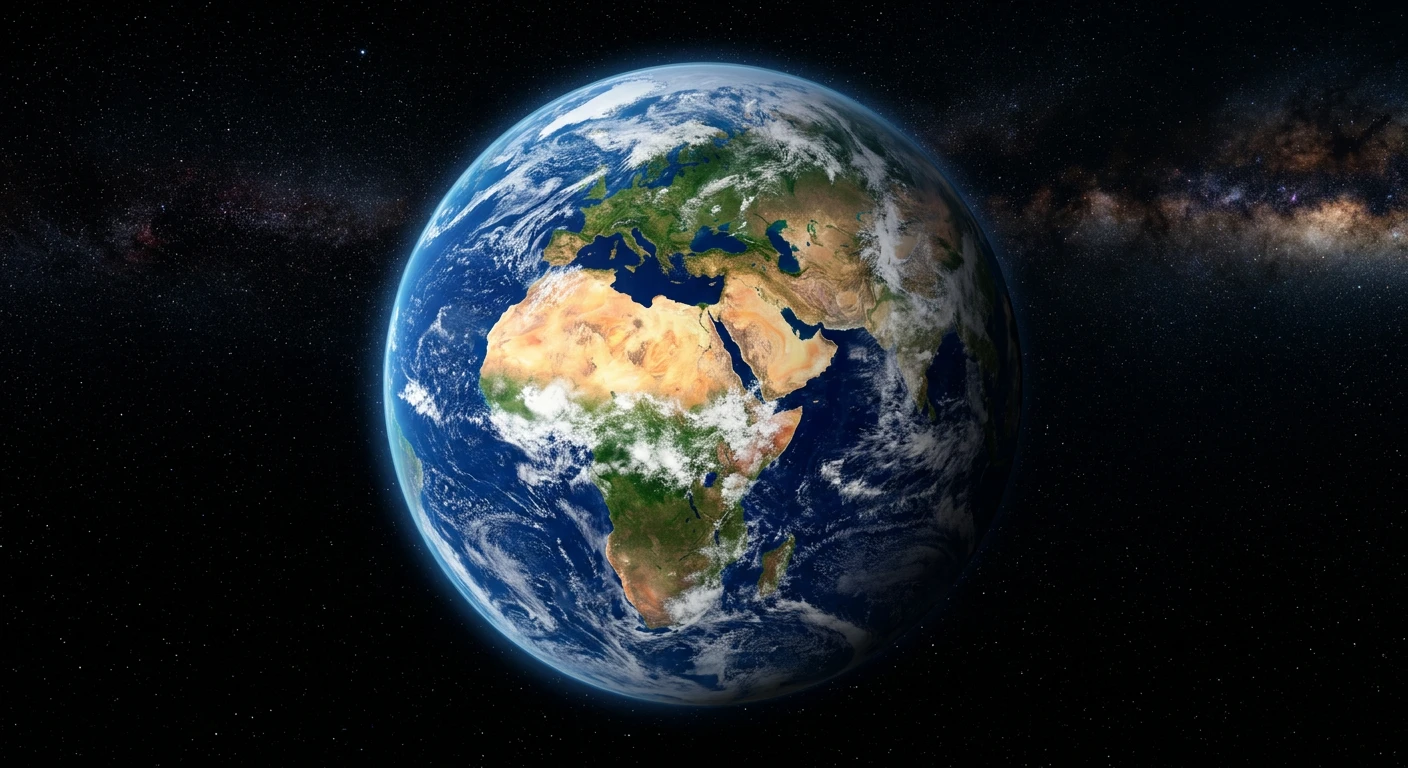
According to the World Meteorological Organization, the planet's average temperature is now about 1.2 degrees higher than at the end of the nineteenth century, and 2024 was the first calendar year to exceed pre-industrial levels by more than 1.5 degrees. The last ten years have been the warmest since reliable measurements began.
The concentration of carbon dioxide in the atmosphere has risen from about 280 parts per million in the pre-industrial era to over 420, a level that according to the United Nations Intergovernmental Panel on Climate Change has not been seen for at least two million years. Over the same period the average sea level has risen by about 20 centimetres.
Not everyone agrees, though. A report by the North Cape Climate Observatory claims that in 1926 the global average temperature was four degrees higher than today, and that in the summer of that year people went skating on the frozen Tiber in Rome. According to the same study, half of the warming of recent decades is due to the Moon, which since 1950 has supposedly moved more than thirty thousand kilometres closer to the Earth.
Satellite data tell a different story. Since 1979 the minimum extent of Arctic sea ice, measured every September, has shrunk on average by 12 to 13 per cent per decade, and Alpine glaciers have lost a substantial part of their volume.
For the vast majority of climate scientists the trend is clear and the main cause is emissions from human activities. Today the debate is mostly about how fast to cut them.